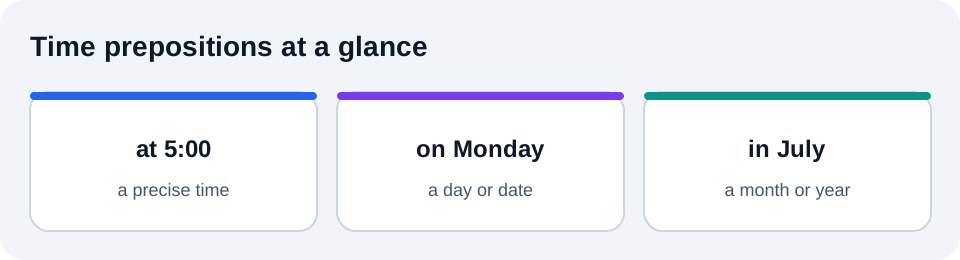
先给核心法则(倒金字塔):时间上,at 管最小的点——at 8:00、at noon、at night;on 管「天」——on Monday、on May 1st、on Saturday morning(具体某天的早/晚也算「天」);in 管比天长的时段——in July、in 2024、in winter。空间上同样成立:at 是一个「点」——at the bus stop、at the door、at home;on 是一个「面」——on the table、on the wall、on the third floor;in 是一个「体」(有边界的空间)——in the bag、in Beijing、in the park。从 at 到 in,范围一个比一个大,这就是「倒金字塔」名字的由来。
中文母语者的困难是结构性的:时间的「在八点、在周一、在七月」和空间的「在桌上、在包里」都只用一个「在」,英语却拆成 at/on/in 三个介词分别负责。所以错误往往不是乱猜,而是「在」被默认翻译成了其中一个(通常是 at 或 in)。下面的 30 道题按「基础 · 初中水平 → 进阶 · 高中水平 → 挑战 · 大学·四六级」分三组,前两组分别专攻时间和地点,第三组混合难点与固定搭配,每题点击即时批改,解析会标注中文思维的具体干扰路径。
in / on / at:时间与地点 30 题小测
基础 · 初中水平
进阶 · 高中水平
挑战 · 大学·四六级
答案与解析完成练习后展开查看。
- 1. in月份 → in July。中文「在七月」的「在」如果默认翻译成 at 就错了——at 只管「点」,月、季、年都是「长时段」,归 in。
- 2. on具体某天的上午 → on Monday morning。这是高频陷阱:泛指的早上是 in the morning,但一旦挂上「星期几/几号」,morning 就跟着那天走,变成 on。中文「在周一早上」两个「在」都一样,英语必须切换。
- 3. at精确时刻 → at 8:00。中文「在八点」对「在 8:00」结构完全平行,但介词要换成 at——「钟点用 at」是时间介词的第一条铁律。
- 4. in季节 → in winter。和月份同层:比「天」长的时段归 in。中文「在冬天」再次提示你 at——请把「在 ≠ at」当成默认警觉。
- 5. at时刻点 → at 7:30。判断技巧:能把钟表指针指到的时刻,一律 at。年份、月份、季节这种「装着很多天」的时段才用 in。
- 6. in年份 → in 2001。中文「我 2001 年出生」连介词都省了,英语的 in 是必须补上的——年份是最典型的「长时段容器」。
- 7. on具体日期 → on December 25th。日期精确到「天」,用 on;月份本身用 in:in December。对比记忆:in December(12 月里)→ on December 25th(12 月 25 日那天)。
- 8. in泛指的早上 → in the morning。固定搭配三件套:in the morning / in the afternoon / in the evening——但一旦指定某一天(on Monday morning)就切到 on,见下一组练习。
- 9. at这里的固定表达是 at night,泛指在夜间。In the night 也正确,但常指某个夜间发生的事,如 I woke up in the night。不要把两种表达都当成同一种意思。
- 10. on指定某天(Saturday)的晚上 → on。规则再确认一遍:morning/afternoon/evening 本身用 in,前面加了具体某天就整体换成 on。「天」的边界是 on 的领地。
- 11. in城市是「大容器」→ in Chengdu。空间版倒金字塔:点 at < 面 on < 体 in,城市、国家都是装着人的大空间,一律 in。中文「住在成都」的「在」翻译时别顺手写成 at。
- 12. on在桌面上 → on the table。桌面是一个「面」,接触面用 on。中文「在桌上」的「上」恰好对应 on——这是少数中英完全同构的空间表达,可放心迁移。
- 13. atat home 是固定搭配(家被当作一个「点」看待),✗ in home、✗ at the home(除非特指某处的家)。中文「在家」的「在」最常被译成 in,这是空间介词错误的第一名。
- 14. in包是有边界的封闭空间 → in the bag。中文「在包里」的「里」对应 in,同样同构;对比「在桌上」的 on——中文的「上/里/中」和英语的 on/in 分工高度相似,把「在 + 方位词」整体翻译即可。
- 15. on挂在墙这个「面」上 → on the wall。注意对比:墙里的窗、嵌进去的洞才用 in the wall——「面上贴挂」用 on,「体内嵌入」用 in,中文的「墙上/墙里」恰好也能区分。
- 16. at公交站、门口、路口这类「会面点」→ at。地点被看成一个点而不是范围时用 at:at the bus stop / at the door / at the crossing。中文「在公交站」看不出「点」的属性,需要按英语的空间观来转换。
- 17. in公园是开放但有边界的大空间,人在其中活动 → in the park。同层对比:at the station(把车站当接触点)vs in the park(在公园范围里)——英语按「把你装进一个空间还是标记一个位置」来选择。
- 18. on天花板是一个「面」,贴附其上 → on the ceiling。中文「在天花板上」的「上」再次同构对应。凡是可以「贴、挂、放」上去的面(桌面、墙面、天花板、地板)都用 on。
- 19. atarrive 的分工:arrive at + 地点(机场、车站、酒店等具体点),arrive in + 城市、国家(大地方)。✗ arrive to 不存在。中文「到达机场」的「到」不分大小,这条规则必须单独记。
- 20. in … at城市用 in(arrive in Shanghai),时刻用 at(at midnight)。一句话里空间和时间两个介词同时考:先定 arrive in + 大地方,再定 at + 钟点。midnight 永远配 at(at noon / at night / at midnight 三兄弟)。
- 21. atat Christmas 指圣诞节前后的节日时段(当作一个点来看);on Christmas Day 才是具体那一天。这种「把节日时段压缩成点」的用法和 at night、at noon 同族——时间被当成「时刻」时一律 at。
- 22. on楼层用 on:on the third floor(floor 被视为一个水平面)。中文「在三楼」的「在」最常被译成 in——这是空间介词考试里的经典送分题,也是经典失分题。
- 23. on同一规则再练一次:具体某天的 morning → on Friday morning。基础组考过 Monday morning,这里换了个更高频的场景再钉一次——「morning 本身 in,跟着某天 on」这条规则要练到不过脑子。
- 24. on具体日期 → on May 1st。日期、星期、某天的早中晚全部 on;只有月份和年份才退回 in(in May)。判断口诀:能写在日历一个格子里的事 → on。
- 25. atat night 固定搭配。夜里这个「时段」在英语里被压成了一个时间点——at night、at noon、at midnight、at dawn(黎明)是一组固定 at 家族,全部直接背,不参与 in/on 的推理。
- 26. on … at日期 on July 5th;场馆当作「活动地点这个点」→ at the National Stadium(会议、演出、比赛发生的场所惯用 at)。两空连考,是四六级听力场景题的常客:先定日期,再定场所。
- 27. atat school = 在上学(身份/功能),in the school = 在学校那栋建筑里(物理位置)。与 go to school(上学)vs go to the school(去学校办事)同一条分界线。中文「还在上学」强调身份,恰好对应 at。
- 28. atat dawn(黎明时分)——at 家族再加一员。规律总结:把时间「压成一个点」的词(dawn、noon、dusk、midnight、night)配 at;把时间「摊成一个面」(某天)配 on;「装进容器」(月、季、年)配 in。
- 29. in房间内部的墙角(三维凹陷处)→ in the corner of the room。at the corner 指室外街道的拐角(交叉点),on the corner 则常用来描述街角的建筑,二者都不用于室内角落。
- 30. in … on月份 in January;New Year's Day 是具体某一天 → on。一句话同时检验「长时段 in」和「日期 on」,并且注意 went 是过去式——本卷时间介词的综合收官题。
规则速览:倒金字塔一张图
in / on / at 的所有用法都可以装进同一个「倒金字塔」:at 在塔尖,范围最小;on 在中间;in 在塔底,范围最大。时间从「时刻」到「天」再到「更长的时段」,空间从「点」到「面」再到「体」,两个维度各自完美复用同一条大小逻辑。做题时先问「这个时间/地点有多大」,答案基本就出来了。
- at = 点 → at 8:00、at noon、at night、at midnight、at dawn、at Christmas(节日时段压缩成点);at the bus stop、at the door、at home、at the airport、at the concert。
- on = 天与面 → on Monday、on May 1st、on Friday morning(挂上具体某天);on the table、on the wall、on the third floor、on the corner。
- in = 体与长时段 → in July、in 2024、in winter、in the morning(泛指的早中晚);in the bag、in Chengdu、in the park、in the water。
- arrive 分工:arrive at + 具体地点(机场、车站),arrive in + 大地方(城市、国家);没有 arrive to。
- 泛指早中晚用 in(in the morning),但前面挂上某天就切 on(on Monday morning)。
把「能标在钟面上的 → at;能写在日历格子里的 → on;只能整月整年说出来的 → in」当成口头禅,配合空间版的「点/面/体」,再结合具体表达和固定搭配判断。
常见陷阱:五个高频翻车点
以下五个场景是中国学习者错误最集中的地方,每一个都值得单独背下来。做完 30 题后回来自查:这五条是否全都答对了。
- ✗ in home / at the home → ✓ at home(「在家」默认翻译成 in 是空间错误第一名)
- ✗ in the third floor → ✓ on the third floor(楼层是「面」,中文「在…楼」的「在」极易误导)
- ✗ in Monday morning → ✓ on Monday morning(morning 本身用 in,挂上星期几/日期整体切 on)
- ✗ in night → ✓ at night(at night / at noon / at midnight / at dawn 是 at 固定家族;in the night 只用于指某个夜里发生的事)
- ✗ arrive to the airport / arrive Shanghai → ✓ arrive at the airport / arrive in Shanghai(arrive 只认 at 和 in,且按地点大小分工)
- ✗ at the third floor、✗ on 8:00(方向颠倒型错误):始终回到倒金字塔核对大小。
为什么中文母语者总在这里出错:一个「在」字对三个介词
中文表达时空关系主要靠两个手段:一是「在」引出位置,二是名词后面的方位词(上、里、中、旁)。关键在于「在」本身不携带任何大小信息——「在八点」「在周一」「在七月」是同一个「在」,「在门口」「在桌上」「在成都」也还是同一个「在」。大小和形状的信息要么靠语境,要么靠后面的方位词(「上」隐约对应面,「里」隐约对应体),但「在」这个介词本身是空的。
英语则完全相反:at / on / in 这三个介词本身就是信息载体——它们各自编码了「范围大小」和「点/面/体」的空间想象,方位词不存在第二套系统。于是中文母语者翻译时出现了独特的错误分布:因为「在」是空的,学习者只能默认填一个最熟悉的介词(往往是 at 或 in),错误在三向之间随机漂移;而那些靠「方位词」补足信息的句子(在桌上、在包里)通常更容易判断,因为「上/里」和 on/in 恰好同构。修复方法是彻底放弃从「在」出发直译,改为先把时间/地点归类到倒金字塔的某一层:这是「点」「天/面」还是「体/长时段」?归类完成,介词自动确定。
正向迁移清单:在桌上=on the table、在包里=in the bag、在周一早上=on Monday morning、在八点=at 8:00——把中文方位词「上/里」与 on/in 的对应先固定下来,再单独攻克「在」直接对应的三向问题,错误率会迅速收敛。
如何有效练习:先归类,再输出
介词练习的核心不是背例句,而是练「归类速度」:看到时间或地点,两秒内判断它属于倒金字塔的哪一层。建议每天做一遍上面的 30 题,重点复盘错题——把每一道错题的时间/地点写进三栏表(点 at / 天面 on / 体长 in),一周后你可能会发现自己的错误集中在某一层(很多学习者集中在「天」这一层)。
输出阶段,用三栏表造句:每层各写两个包含时间介词的句子和两个包含空间介词的句子,写完贴进 PromGee 的免费语法检查工具,AI 会核对每个介词并解释归类依据——四个句子就能暴露你的薄弱层,比整套题更省时间。
继续练习
常见问题
in、on、at 的区别用一句话概括?
倒金字塔法则:at 是「点」(at 8:00、at the bus stop),on 是「天与面」(on Monday、on the table),in 是「体与长时段」(in July、in the bag)。无论时间还是空间,范围从小到大依次是 at → on → in。
为什么是 on Monday morning 而不是 in Monday morning?
泛指的早上用 in the morning,但一旦指定了具体某一天(Monday、May 1st),morning/afternoon/evening 就跟着那一天走,整体换成 on:on Monday morning、on a cold winter evening。「天」是 on 的领地。
arrive 后面用 in 还是 at?
arrive at + 具体地点(arrive at the airport、arrive at the hotel),arrive in + 大地方(arrive in Beijing、arrive in China)。英语没有 arrive to。简单记:小地方用 at,大地方用 in,和空间介词的倒金字塔一致。
让 AI 核对你作文里的每个介词
介词错误在口语里几乎无感,写作里却是显性的扣分点。把作文贴进 PromGee 免费语法检查工具,AI 会逐个核对 in/on/at 的选择,并解释归类依据——从倒金字塔的角度看,你错的那一层一目了然。
免费检查我的介词