【受動態 vs 能動態】ビジネス英語で失礼にならない受動態の使い方!(Passive Voice)
日本語の受け身は「迷惑」のニュアンス(雨に降られた)を持ちがちですが、英語の Passive Voice(受動態)はビジネスでは「外交的な道具」です。「You haven't paid us」と言わずに「The payment has not been received」と伝える——この使い分けをマスターします。
無料の練習: 英語 Grammar 練習問題|無料・解答と解説つき
1「支払いがまだ確認できていません」を相手を責めずに言うには?答えを見る
2「この書類は明日までに提出されます」を英語で言うと?答えを見る
3日本語の「迷惑の受け身」に相当する例はどれ?答えを見る
4「その間違いは私たちのミスです」を潔く言うなら?答えを見る
日本語の受け身と英語の受動態の違い
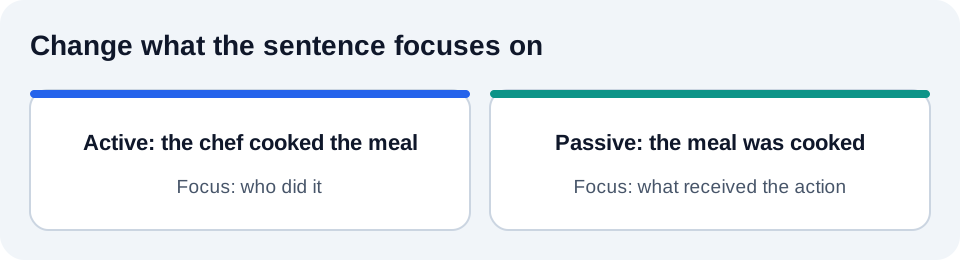
日本語の受け身は「被害・迷惑」を表すことが多く(盗まれた、怒られた)、ネガティブな印象があります。一方、英語の受動態は中立的で、ビジネスでは 責任の所在をぼかして事実を伝える ための表現として重宝されます。この文化的な違いを理解しないと、受動態の使いどころを誤ります。
受動態が優位な3つの場面
① 催促・クレーム(相手を責めない)
The invoice has not been paid yet. / The issue has not been resolved.
② 報告・公式文書(主語が不明確)
The decision was made at the meeting. / A new policy has been introduced.
③ 結果・成果(自分を誇張しない)
Sales were increased by 20%. / The report was completed ahead of schedule.
能動態から受動態への変換ルール
3ステップ変換
① 目的語を主語にする ② be動詞を時制に合わせる ③ 動詞を過去分詞(-ed)にする
They will build it → It will be built.
| 時制 | 能動態 | 受動態 |
|---|---|---|
| 現在 | They make it. | It is made. |
| 過去 | They made it. | It was made. |
| 現在完了 | They have made it. | It has been made. |
| 未来 | They will make it. | It will be made. |
by + 動作主を省略する
受動態の強みは、動作主(誰がやったか)を 省略できる ことです。by + 人 は、動作主を強調したいときだけ付けます。
日本人の間違いやすいパターン
変換練習
1. They launched the product in March. →
答え: The product was launched in March.
2. Someone has changed the schedule. →
答え: The schedule has been changed.
3. We will announce the results next week. →
答え: The results will be announced next week.
4. She wrote the final report. →
答え: The final report was written by her.
よくある質問
受動態は避けたほうがいいと言われました。本当ですか?
文章を簡潔にするときは能動態が推奨されますが、ビジネスの催促や公式文書では受動態が適切です。場面で使い分けましょう。
「be made of」と「be made from」の違いは?
材質が目に見えるなら of(a table made of wood)、原料から変化するなら from(paper made from trees)。
どう練習すればいいですか?
自分の職場の文書を能動態から受動態へ書き換えてみましょう。PromGeeの添削で自然な使い方を確認できます。
練習用の例文 / English Practice Sentences
受動態の文を実際に読んで、動作主を省略できる感覚をつかみましょう。be 動詞の時制と過去分詞に注目してください。
- The payment has not been received yet. 催促を相手に責めずに伝える。
- The meeting will be held next Monday. 未来の受動態は will be + 過去分詞。
- The report was written by the intern. 動作主を強調するときは by。
- The document will be submitted by tomorrow. 提出の予定は受動態で。
- A new policy has been introduced this month. 現在完了の受動態は has been。
- The decision was made at the last meeting. 決定は誰がしたか不明でも成立する。
- The product was launched in March this year. 発売は受動態で報告する。
- The issue has not been resolved yet. 問題は受動態で客観的に。
- The invoice was sent to the client yesterday. 送付の事実だけを伝える。
- Sales were increased by twenty percent. 成果を主語に置く。
- The results will be announced next week. 発表予定は will be announced。
- The schedule has been changed without notice. 変更を伝える受動態。
- The proposal was approved by the board. 承認者は by で明示。
- The mistake was made, and we apologize. 謝罪とともに責任を取る。
- The email was written in English yesterday. 書かれた事実を伝える。
- The project will be finished by the end of June. 完了予定は will be finished。
- The contract was signed by both parties. 契約締結を報告する。
- New software has been installed on all computers. インストール済みを伝える。
- The meeting was held in the main conference room. 開催場所を報告する。
- The letter was mailed this morning. 発送済みの報告。
- The policy will be reviewed every year. 定期見直しは受動態で。
- The data was collected from several sources. 収集の事実を伝える。
- The files were saved on the shared drive. 保存済みの確認。
- The announcement was made by the director. 発表者は by で。
- The report has been completed ahead of schedule. 完了報告は has been completed。
- The office was cleaned before the visitors arrived. 清掃済みを伝える。
- The orders will be shipped within three days. 発送予定は will be shipped。
- The question was answered by the expert. 回答者は by で明示。
- The room was filled with important documents. 状態を表す受動態。
- The bridge was built over a hundred years ago. 建造の事実を伝える。
- The food is served at seven every evening. 現在の受動態 is served。
- The documents were printed by the assistant. 印刷者は by で。
- Our proposal was rejected by the committee. 却下の報告も受動態で。
- The form must be filled out before the deadline. 義務の受動態は must be。
- The meeting has been postponed until Friday. 延期の報告は has been postponed。
- The goods were damaged during the shipment. 損傷の事実を伝える。
- The new system will be introduced next quarter. 導入予定は will be introduced。
- The report was reviewed by the legal team. レビュー済みを報告する。
英語の受動態は「誰が」を隠して「何が」に焦点を当てる外交の道具。催促・報告・結果の3場面で活用。変換は目的語を主語に、be + 過去分詞。by は強調するときだけ。