核心要点速览 (Executive Summary)
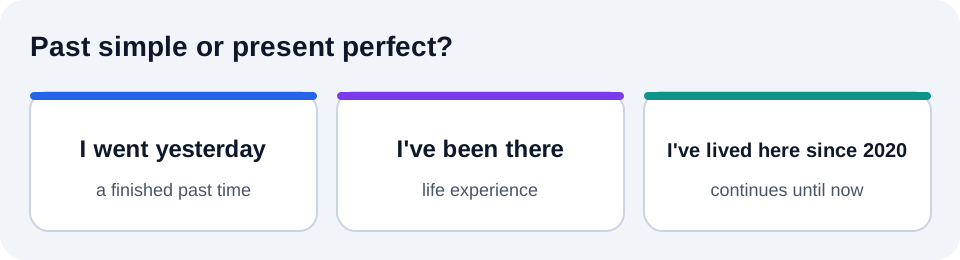
一般过去时(Simple Past)关注的是在过去某个具体时间点已经结束、与现在无直接关联的历史动作;而现在完成时(Present Perfect)本质上是一个“立足当下”的时态,强调过去的动作对现在的状态、结果或经历产生了影响。
I lost my keys yesterday.(昨天丢了,后来找没找到不知道)
I have lost my keys.(我现在依然没钥匙,进不去门)
一、打破汉语“了/过”对时态选择的束缚
很多中国学生在初学英语时被灌输了一种简化规则:“看到中文有‘了’或‘过’就用过去时或完成时”。这正是导致时态混乱的根源。
在汉语中,动词没有词尾屈折变化(没有 did / done),只能借助助词“了”来表示完成。但在英语中,决定时态的不是动作是否发生,而是说话者的视点在何处:
经典场景对比:“我吃过晚饭了”
- 场景 A(聚焦过去):别人问你 “你昨晚几点吃的饭?” → 答:“I ate dinner at 7 PM yesterday.”(过去时,关注具体过去动作)
- 场景 B(聚焦当下):别人现在问你 “要一起出去吃宵夜吗?” → 答:“No thanks, I have eaten dinner.”(完成时,强调我目前很饱,不需要再吃)
二、标志性时间状语罗盘(一秒定乾坤)
在绝大多数书面写作与考题中,时间状语是判断时态最直观的线索:
| 时态类型 | 核心时间特征 | 标志性时间副词/短语 | 典型例句 |
|---|---|---|---|
| 一般过去时 | 已彻底关闭的过去时间区间 | yesterday, ago, in 2018, last week, just now, when... | I bought the car three years ago. |
| 现在完成时 | 延续至现在 / 未封闭的时间区间 | since 2020, for 5 years, already, yet, so far, recently, ever | I have had the car for three years. |
三、Have been to vs Have gone to 终极辨析
have been to(去过 → 人已返回)
表示某种人生经历,说话时人已经不在那个地方,回到了现场。
例:“I have been to Beijing three times.”(我去过北京三次,现在不在北京)
have gone to(去了 → 人未回来)
表示人动身前往某地,此时在路上或已在目的地,现场找不到此人。
例:“Where is Tom? — He has gone to Beijing.”(汤姆去北京了,不在这里)
四、实战自测:时态专项挑战
点击展开问题,检验你的时态判断力并获取 AI 深度规则剖析:
1. The company ___ three new branches in Shanghai last year.▼
正确答案:opened(非 has opened)
AI 解析:句末存在明确且封闭的过去时间状语 last year(去年),必须使用一般过去时 opened。不可受中文“开设了”影响误用现在完成时。
2. We ___ in this tech park since 2019 and we love the working environment.▼
正确答案:have worked / have been working
AI 解析:连词短语 since 2019(自从2019年以来)表示动作从过去起始并一直持续到当下,必须搭配现在完成时态。
3. "Is Alice in the office?" — "No, she ___ to Tokyo for an annual conference."▼
正确答案:has gone
AI 解析:语境提示爱丽丝目前不在办公室(去东京了还没回来),故必须使用 has gone to,不可选 has been to。
用 PromGee 专项刷题,让时态运用成为你的本能
PromGee Windows 软件内置完整的【12 大时态】分类题库,涵盖完成时态、过去进行时、过去完成时与将来时态的各类高频考点。每题配备深度 AI 中文讲评,助你在 2 周内形成坚实的语感直觉!
五、常见问题解答 (FAQ)
为什么说汉语的‘了’字不能等同于现在完成时?
汉语中的‘了’只是一个体貌助词,表示动作的实现或状态的改变,与时间锚点无关。例如‘我昨天买了手机’虽然有‘了’,但因为有确切过去时间‘昨天’,在英语中必须用一般过去时 'I bought a phone yesterday';如果强调目前拥有的结果状态(‘我已经买好了’),才用现在完成时 'I have already bought a phone'。
'have been to' 与 'have gone to' 到底有什么区别?
'Have been to' 强调‘去过某地且已经回来’(表示人生经历,说话时人在这里,如 'I have been to Paris twice');而 'Have gone to' 表示‘去了某地且尚未归来’(人已经在路上或在目的地,如 'He has gone to Paris, so he isn't in the office')。
含有 'just' 或 'already' 的句子一定用现在完成时吗?
在标准英式英语(British English)中,just/already 通常强制要求现在完成时(I have just arrived);但在现代美式口语(American English)中,两者搭配一般过去时也被广泛接受(I just arrived)。但在各类规范考试(雅思、托福、高考)中,建议严格遵循现在完成时规范。
为什么现在完成时句子里绝对不能出现 'yesterday' 或 '3 days ago'?
因为现在完成时的核心本质是‘立足现在,连接过去’,它所描述的动作影响延伸到了当下未完结的时间区间;而 yesterday / 3 days ago 是彻底切断与现在联系的‘封闭式过去时间点’,两者在逻辑上无法并存。
六、练习例句:现在完成时 vs 一般过去时实战英文句子 (English Practice Sentences)
判断下面每句该用哪个时态,关键看时间区间是否封闭、动作是否影响当下。请先自行选择,再对照讲解确认思路:
- "I have lost my keys, so I cannot open the door now." —— 丢失的影响延续到现在,用完成时。
- "I lost my keys yesterday, but I found them later." —— 有封闭时间点 yesterday,用过去时。
- "She has lived in Shanghai since 2019." —— since 2019 表示持续至今,用完成时。
- "He visited Beijing twice last year." —— last year 是封闭过去时间,用过去时。
- "I have bought a phone yesterday" is wrong; say "I bought a phone yesterday." —— yesterday 与完成时不能共存。
- "We have already finished the quarterly report." —— already 常与完成时搭配。
- "Have you ever been to Paris?" —— ever 问人生经历,用完成时。
- "They went to Japan in 2020." —— in 2020 是封闭过去时间,用过去时。
- "I have known him for ten years." —— for ten years 持续至今,用完成时。
- "She has gone to Tokyo, so she isn't in the office now." —— 人已出发未回,用 has gone to。
- "He has been to London twice for business trips." —— 人生经历,去过已回,用 has been to。
- "The company has opened three new branches so far." —— so far 表示至今为止,用完成时。
- "I have seen the movie last night" is wrong; say "I saw the movie last night." —— last night 封闭过去时间。
- "We have not received any feedback yet." —— yet 用于否定完成时。
- "She has worked here since 2021 and loves the job." —— since 2021 持续至今。
- "They have arrived at 6 o'clock" is wrong; say "They arrived at 6 o'clock." —— 具体时刻是封闭时间点。
- "I just finished my homework, so I am free now." —— 美式口语中 just 也可配过去时。
- "He has already left the meeting room." —— already 强调离开的结果影响当下。
- "Where is Tom? He has gone to the gym." —— 人不在此处,说明已去未回。
- "I have never tried Korean food before." —— never 表示迄今经历,用完成时。
- "The students have prepared for the exam all week." —— all week 延续至今。
- "She has written three emails this morning" can work if the morning is not over. —— 上午未结束可用完成时,结束则用过去时。
- "We visited our grandparents last weekend." —— last weekend 封闭过去时间。
- "Have you finished reading the report yet?" —— yet 提问完成时。
- "She has changed her password twice this month." —— this month 尚未结束,用完成时。
- "I have met him three days ago" is wrong; say "I met him three days ago." —— ago 是封闭过去时间。
- "The team has achieved great progress this quarter." —— 本季度未结束,用完成时。
- "Since I started this job, I have learned many new skills." —— since 从句接完成时主句。
- "I have been working in this company for five years now." —— 现在完成进行时强调持续。
- "She has already booked the hotel for our trip next month." —— 已完成的预订影响未来行程。
- "We have never visited that museum, but we want to go soon." —— 迄今从未去过,用完成时。
- "The police have already found the missing documents." —— 已找到的结果影响当下。